Why this moment can feel difficult
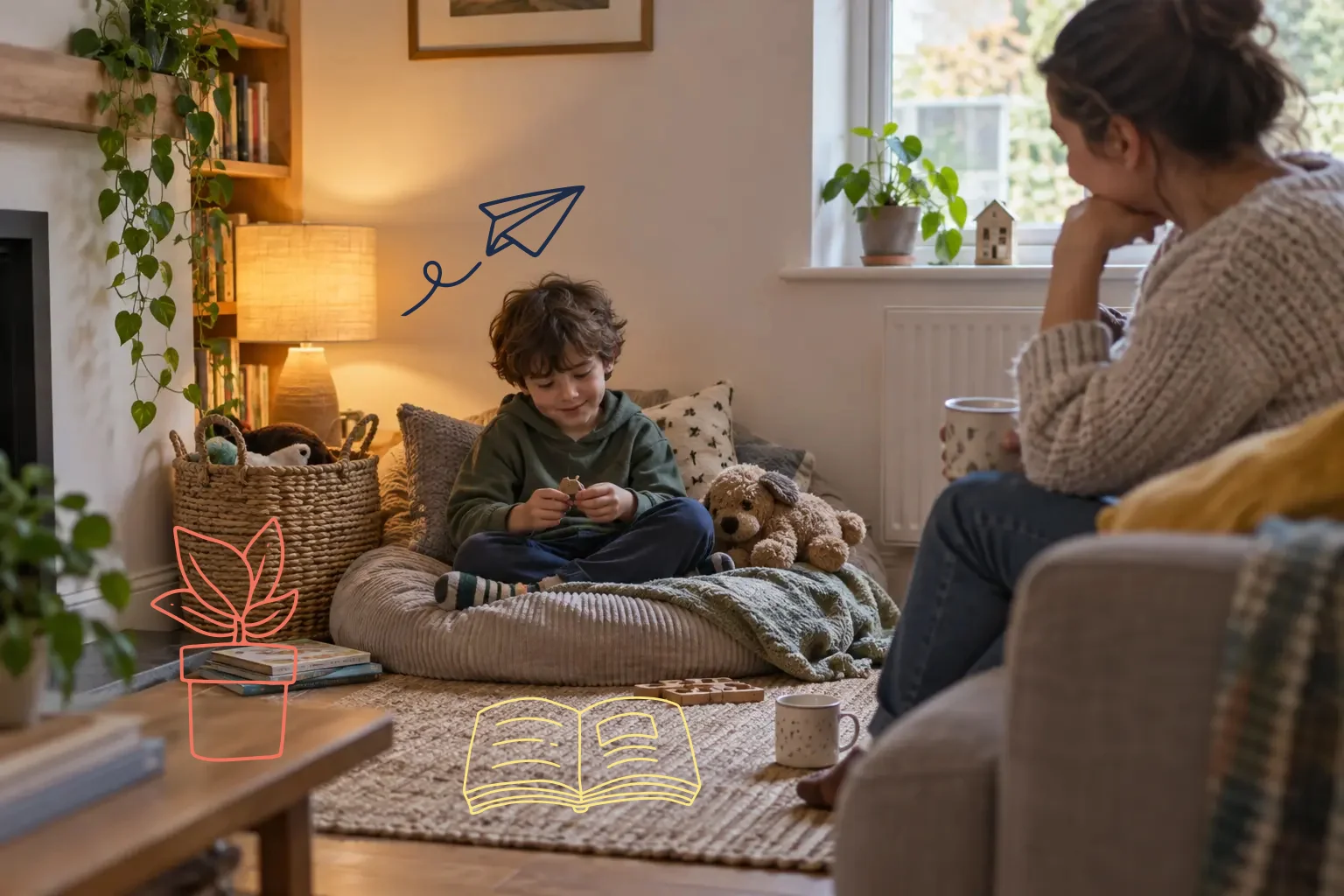
The most useful calm space is one a child can choose, not somewhere they are sent as a consequence. It might be one end of the sofa, a floor cushion beside a bookcase or a small corner of the bedroom.
We would keep the contents limited. Too many choices can make the space busier rather than calmer, so four different types of support are more than enough.
1. Add one tactile breathing prompt
Breathing instructions can be hard to follow when feelings are already large. A tactile guide gives the hands a slow movement to follow.
Moonbuddy is compact and does not require a screen or sound. Explore it together during a settled moment before leaving it in the calm space.
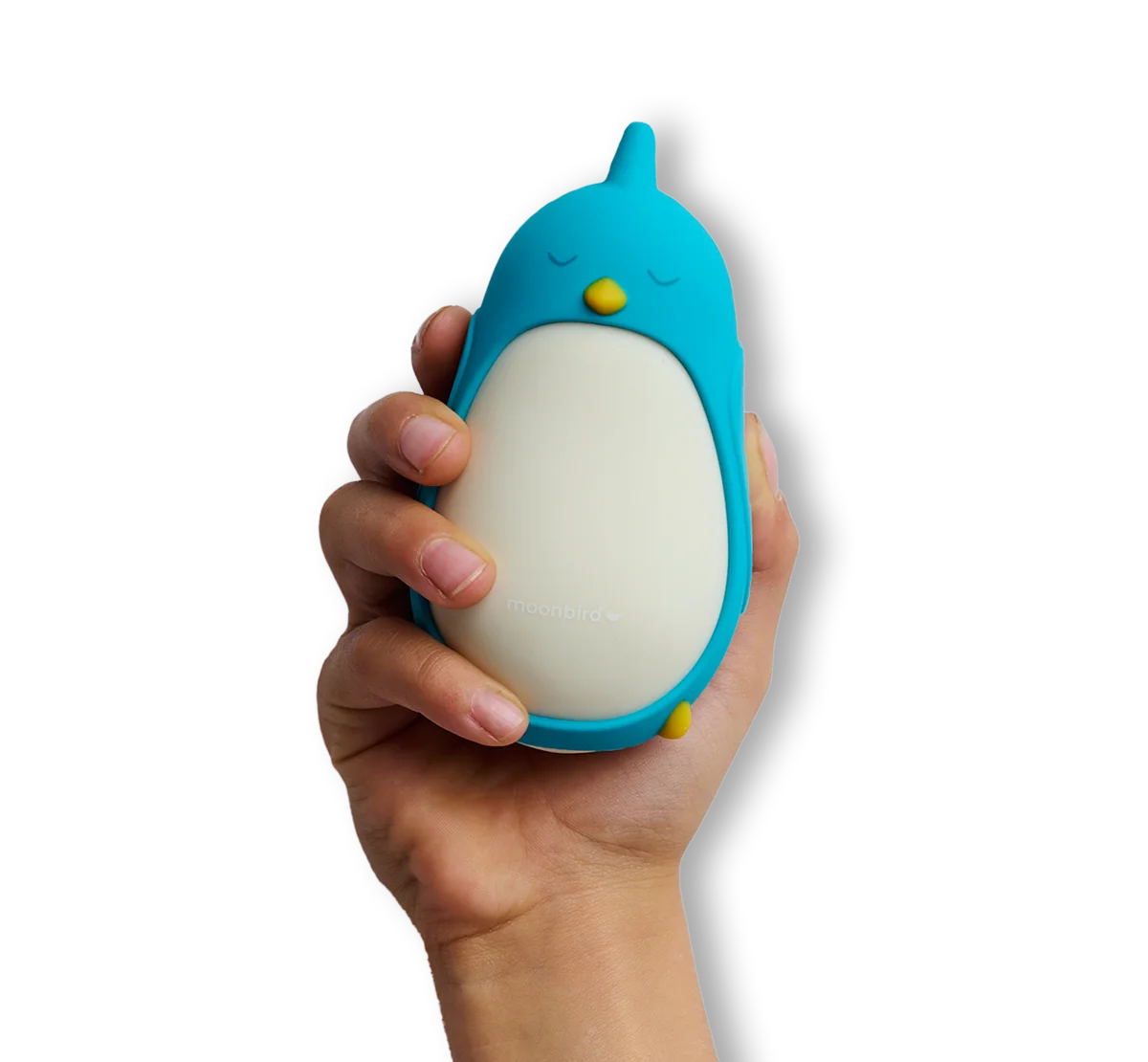
A handheld breathing guide that turns a simple rhythm into something a child can feel.
View on Amazon2. Include a comforting breathing companion
Some children respond better to a soft object than a handheld tool. Watching or feeling a gentle rhythm may offer a focus without requiring lots of language.
Breathing Pal Kyle is a soft koala-shaped companion with a breathing motion. Check whether the light, sound and movement suit your child before relying on it.
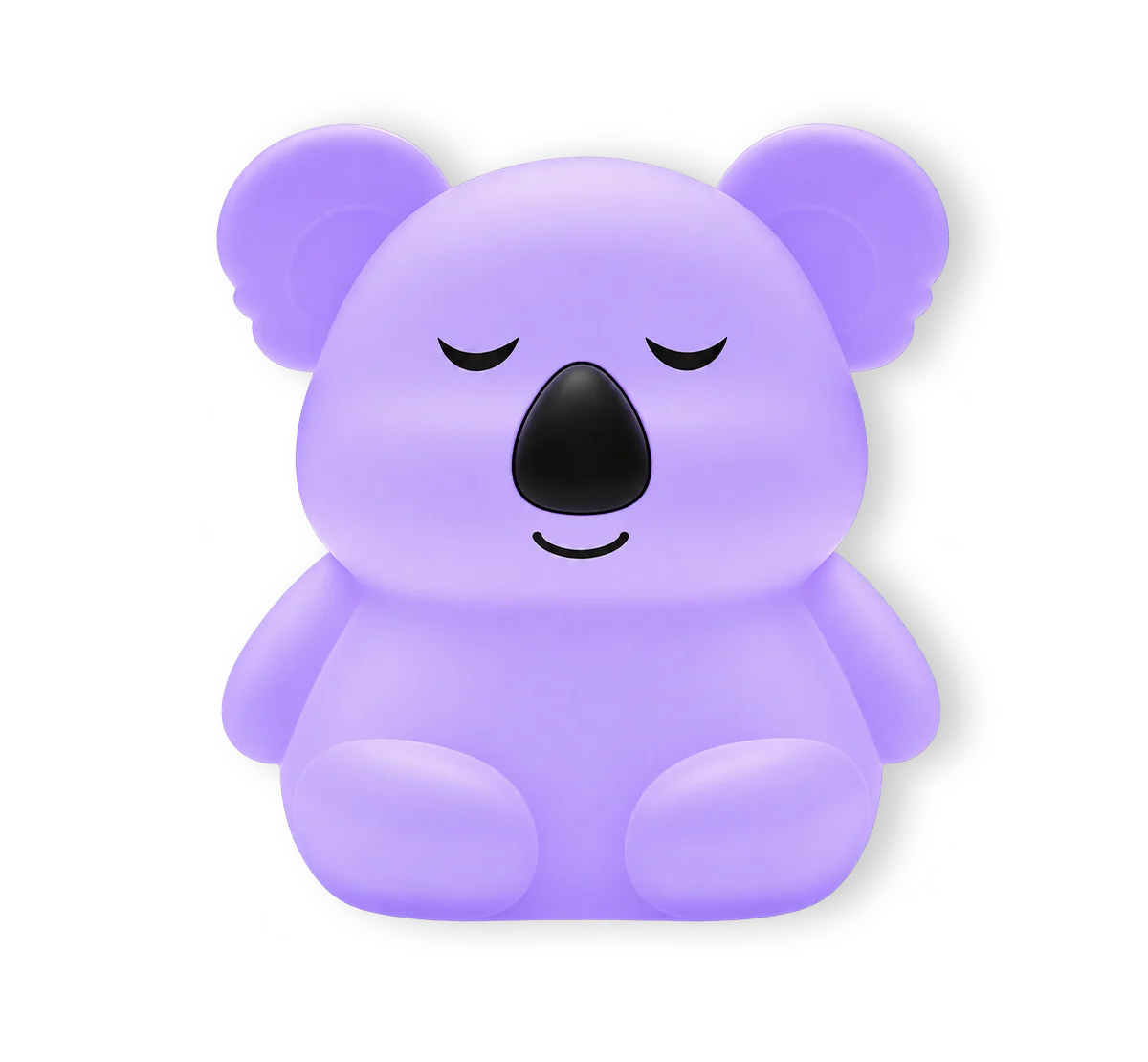
A soft breathing companion that provides a gentle visual and physical rhythm.
View on Amazon3. Give fingers an absorbing task
A calm corner does not have to mean doing nothing. Repetitive tactile play can give attention somewhere neutral to rest.
The Pushpeel XL provides a contained activity with flexible pieces. It works best when the child already understands it and does not find the texture frustrating.
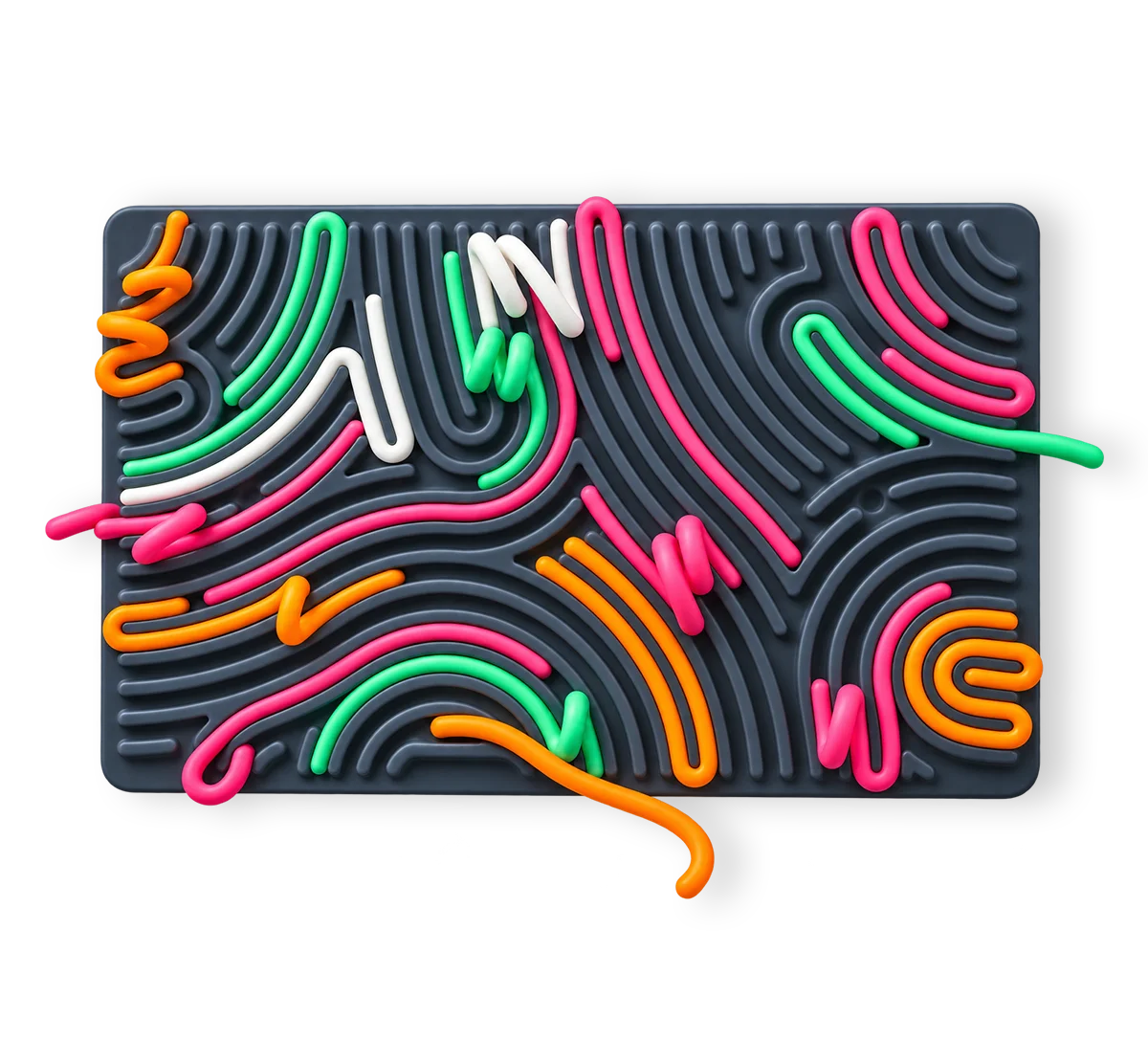
A reusable sensory activity that can sit ready in a basket without lots of loose equipment.
View on Amazon4. Offer familiar listening
A story or quiet music can make the space feel inviting rather than disciplinary. Familiar content is often easier than asking a child to choose from an enormous library.
The Yoto Mini can live nearby with two or three selected cards. Keep the volume low and let silence remain an equally valid choice.
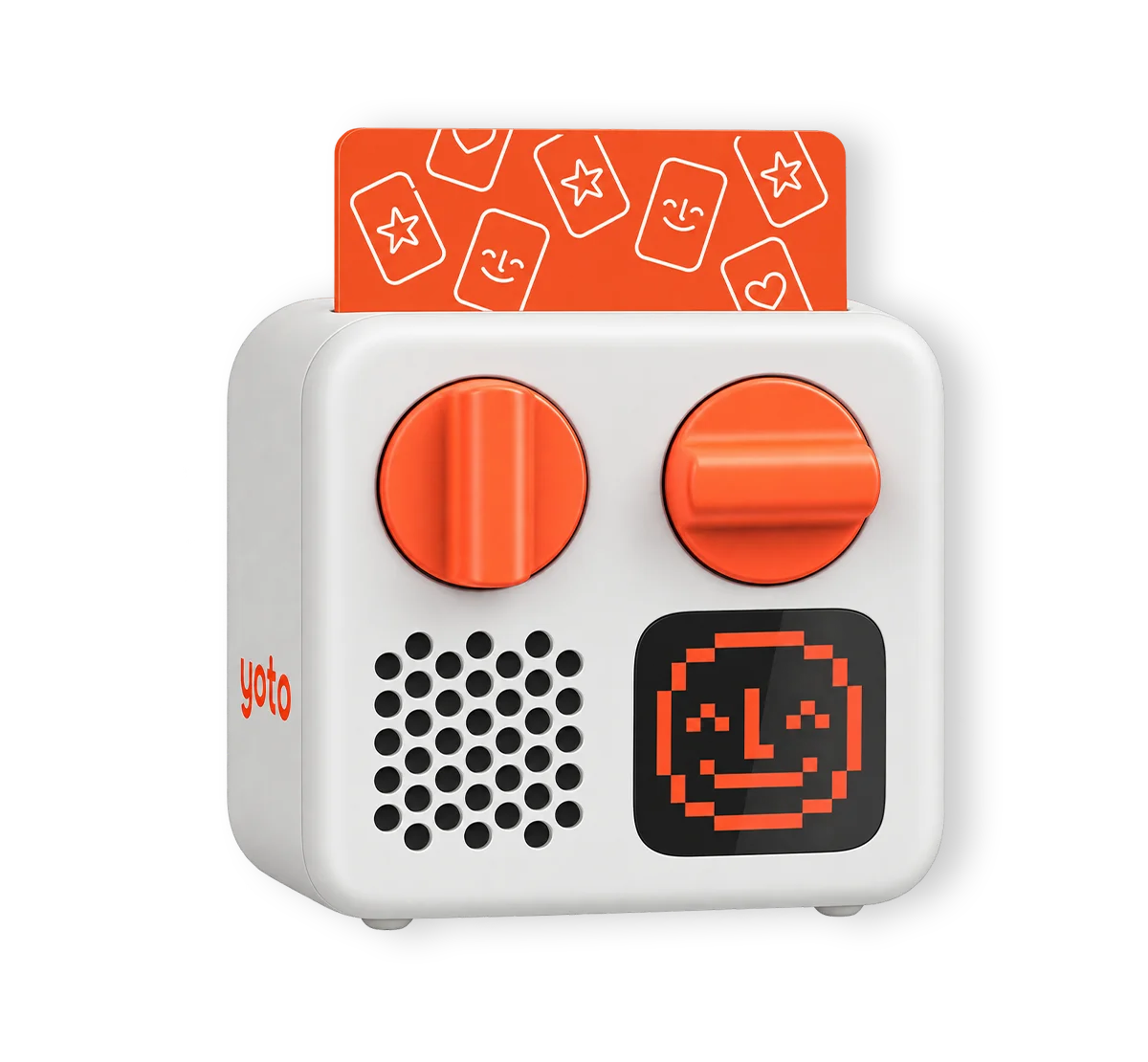
Screen-free stories or music for children who settle more comfortably with something to listen to.
View on AmazonThe value of a calm corner is not how it looks. It is whether the child feels safe choosing it.
Keep it flexible
A calm corner cannot guarantee calm, and a child should not be required to use every item. The environment, the adult response and the freedom to step away all matter.
Start with the space you already have and one or two familiar objects. Add something only when it solves a clear need.
Looking for something else?
Browse all of our parent-led product recommendations for routines, focus, calm, movement and sleep.
Browse all recommended productsThis is parent-led general information rather than medical advice, and every child is different. This article contains affiliate links. If you buy something through one of these links, we may receive a small commission at no extra cost to you. Read our affiliate disclosure.